Small-batch fermentation is easier when your vessel matches the amount you actually plan to make. The right crock can help keep vegetables submerged, limit oxygen exposure, and simplify everything from sauerkraut and kimchi to pickles and other cultured foods.
This roundup compares 10 fermentation crocks and starter kits in compact sizes, including traditional water-seal designs, glazed stoneware pots, ceramic containers with weights, and glass jars with airlocks. Use the guide below to narrow your choice by capacity, cleanup, visibility, and included accessories.
Best 10 Fermentation Crocks for Small Batches Picks for 2026
Best Ceramic Crock

- 3L stoneware capacity
- Includes weights and tamper
- Wide waterlock with glazed interior
Best For: Traditional ceramic-batch fermentation
Best Starter Kit
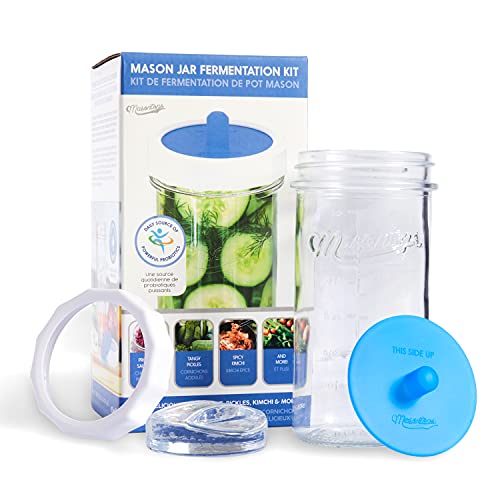
- Complete jar fermentation kit
- Airlock avoids routine burping
- Compact 24-ounce capacity
Best For: First-time fermenters and test batches
Best Traditional Small Crock

- 1.89L stoneware capacity
- Lead-free food-safe glaze
- Also works as pantry storage
Best For: Simple traditional vegetable fermentation
Best Two-Pack

- Two 2.3L glass jars
- Water-seal airlocks included
- Wide mouths for filling and cleaning
Best For: Couples or parallel small-batch ferments
Compact Probiotic Keeper

- 1.5-liter size for small batches
- Inner plate helps reduce air exposure
- Double lids help contain odors
Best For: Compact kimchi, sauerkraut, and vegetable fermentation
Handmade Pint Crock

- One-pint capacity for tiny batches
- Handmade USA stoneware design
- No lid included; also suits storage or decor
Best For: Small pickles and display-friendly kitchen storage
Traditional Water-Seal Crock

- Half-gallon size for household batches
- Includes lid, weights, and tamper
- Water-sealed lid helps release fermentation gases
Best For: Sauerkraut, kimchi, and pickles with traditional crock tools
Best Overall
1-Gallon Glazed Stoneware Crock

- Food-grade double-ceramic construction
- Water-seal lid and stone weights
- Includes pickle tamper
Best For: Versatile one-gallon vegetable and kombucha batches
Best Equipped
HomeBuddy 1-Gallon Fermentation Kit

- Includes weights and acacia pounder
- Recipe book adds starter guidance
- Water-seal double-glazed ceramic
Best For: Beginners wanting an all-in-one fermentation kit
Best Compact Pick
2-Liter Stoneware Fermentation Crock

- Compact half-gallon capacity
- Includes stone weights and lid
- Glazed ceramic is easy to wash
Best For: Modest batches and smaller kitchen storage
Best Ceramic Crock – 3L TOMO Waterlock Crock
For shoppers comparing fermentation crocks for small batches, the 3L TOMO offers a traditional ceramic vessel with a waterlock seal, weights, and a wooden tamper. Its one-gallon capacity is sized for several jars of sauerkraut while remaining more compact than the 7L option.
Best For: Home fermenters who want a reusable ceramic crock for sauerkraut, pickled vegetables, kimchi, or a full 3L kombucha batch.
Pros:
- Includes two fermentation weights and a wooden tamper.
- Wide waterlock helps keep air out while allowing gases to escape.
- Fully glazed, non-porous interior is designed to resist odors and clean easily.
- UV-blocking ceramic walls and durable stoneware construction.
Cons:
- At 7.09 pounds, it is substantially heavier than a glass-jar kit.
- The 3L size may be more capacity than needed for a very small household.
The TOMO is a strong choice when ceramic durability and a traditional crock format matter more than minimal weight. The included accessories also make it a more complete setup than a crock sold on its own.
Best Starter Kit – Masontops 24-Ounce Jar Set
Among fermentation crocks for small batches, the Masontops kit is the compact, jar-based alternative. It includes a 24-ounce wide-mouth mason jar, glass fermentation weight, airlock lid, and screw band, so beginners can start without sourcing a separate vessel.
Best For: Beginners making small portions of sauerkraut, kimchi, pickles, or hot sauce in a standard mason jar.
Pros:
- Complete four-piece kit includes the jar, lid, weight, and band.
- Airlock vents gas without requiring regular jar burping.
- Small 24-ounce capacity suits trial batches and limited refrigerator space.
- Step-by-step instructions with pictures are included.
Cons:
- The 24-ounce jar holds considerably less than a crock or larger jar.
- Designed for regular-mouth mason jars, limiting compatibility with other jar sizes.
This is an approachable entry point for testing fermentation without committing to a ceramic crock. Its main trade-off is capacity: it is convenient for small experiments but not intended for large vegetable batches.
Best Traditional Small Crock – Ohio Stoneware 2-Quart
The Ohio Stoneware 2-quart crock is a straightforward option for shoppers seeking fermentation crocks for small batches. Its 1.89-liter stoneware capacity works for modest vegetable ferments and can also serve as a pantry or kitchen container when it is not being used for pickling.
Best For: Cooks who prefer a traditional stoneware crock in a manageable 2-quart size for naturally fermented vegetables.
Pros:
- Compact 2-quart capacity is suited to smaller batches.
- Made with lead-free glazes and described as food safe.
- Multifunctional design can also be used for pantry or kitchen storage.
- Listed as oven, microwave, and dishwasher safe.
Cons:
- The supplied notes do not list included weights or an airlock.
- It offers less capacity than the 3L TOMO crock.
Choose this model for its simple, traditional stoneware format and versatile kitchen use. Because the notes do not specify fermentation accessories, buyers should confirm what additional equipment their preferred recipe requires.
Best Two-Pack – 0.6-Gallon Glass Airlock Jars
This two-pack is a practical alternative to ceramic fermentation crocks for small batches, providing two wide-mouth glass jars with water-seal airlocks. Each jar holds about 2.3 liters, giving one person or a couple room for separate batches without taking over refrigerator space.
Best For: Small households that want to ferment two recipes at once, such as sauerkraut and kimchi, with visible airlock activity.
Pros:
- Includes two 0.6-gallon jars and two three-piece water-seal airlocks.
- Airlocks vent CO2 while keeping air out, and bubbles remain visible.
- Wide mouths make filling and cleaning easier.
- Includes silicone grommets and jar gaskets.
Cons:
- Glass can be heavier and more breakable than a plastic jar kit.
- Each jar is smaller than the 3L TOMO crock.
The standout feature is flexibility: two similarly sized vessels let you run different ferments side by side. The glass construction also makes it easy to see the contents and monitor bubbling as fermentation begins.
Compact Probiotic Keeper – 1.5L Inner-Lid Fermenter
For shoppers comparing fermentation crocks for small batches, this 1.5-liter round container offers a compact setup for kimchi, sauerkraut, and pickled vegetables. Its adjustable inner pressing plate helps limit air exposure, while the double-lid design is intended to contain odors.
Best For: Small-batch vegetable fermentation in a compact, odor-conscious container.
Pros:
- 1.5-liter capacity suits modest batches.
- Adjustable inner plate helps press vegetables and promote an anaerobic environment.
- Food-safe, BPA-free, DEHP-free, and lead-free materials.
- Dishwasher-, freezer-, and microwave-safe according to the supplied details.
Cons:
- Plastic construction may not appeal to shoppers seeking a traditional all-ceramic crock.
- Its round 1.5-liter capacity may be limiting for larger batches.
This is a practical choice when easy care, odor control, and a smaller footprint matter more than traditional crock design.
Handmade Pint Crock – Blue Ohio Stoneware Fermenter
Among fermentation crocks for small batches, this one-pint Ohio Stoneware model is sized for limited quantities and doubles as a decorative kitchen container. Its stoneware construction is designed not to retain food flavors, and it is made in the USA.
Best For: Very small pickling batches, pantry storage, or display-friendly kitchen use.
Pros:
- One-pint capacity is well suited to small portions.
- Handmade stoneware construction in a midnight-blue finish.
- Does not retain food flavors according to the supplied notes.
- Microwave-, oven-, and dishwasher-safe according to the product details.
Cons:
- No lid is included, so the supplied notes do not describe a sealed fermentation setup.
- The one-pint capacity is too small for larger vegetable batches.
This crock stands out for its small footprint and attractive stoneware styling, but shoppers should account for the lack of a supplied lid when planning fermentation.
Traditional Water-Seal Crock – 1/2-Gallon Ceramic Fermenter
For those comparing fermentation crocks for small batches, this half-gallon ceramic crock provides more room than a pint model while remaining sized for household use. It includes a lid, weighting stones, and a pickle tamper, with a water-sealed design intended to let fermentation gases escape while limiting oxidation and odors.
Best For: Home fermenters making medium-small batches of sauerkraut, kimchi, pickles, and other vegetables.
Pros:
- Half-gallon capacity accommodates more vegetables than a pint crock.
- Includes a lid, weighting stones, and pickle tamper.
- Lead- and cadmium-free glazed ceramic surface.
- Smooth interior is designed for easier washing, while the water-sealed lid allows gas release.
Cons:
- At about 4 pounds, it is heavier than compact plastic or pint-sized options.
- Requires thorough drying and storage after cleaning, according to the supplied instructions.
This is the most traditional, fully equipped option of the three, especially appealing if you want included weights and a water-sealed lid for vegetable fermentation.
Best Overall – 1-Gallon Glazed Stoneware Crock
For shoppers comparing fermentation crocks for small batches, this 3.8-liter stoneware crock offers a practical one-gallon capacity for sauerkraut, kimchi, pickles, vegetables, and kombucha. Its water-seal design, ceramic weights, lid, and included tamper provide the core tools for starting at-home fermentation.
Best For: Home fermenters who want a versatile one-gallon crock for several types of vegetables and fermented drinks.
Pros:
- Food-grade, double-ceramic construction with a smooth lead- and cadmium-free glaze
- Water-seal lid lets gases escape while helping keep outside air out
- Includes stone weights, lid, and pickle tamper
- Designed to hold about two to five cabbages and produce roughly four mason jars of sauerkraut
Cons:
- At 7.39 pounds, it is relatively heavy for a small-batch vessel
- Hand access and cleaning are convenient, but the crock still requires washing after use
This is a well-rounded choice when you want more capacity than a jar without moving to a large restaurant-style crock. The included accessories and water seal make it especially suitable for repeat vegetable-fermentation projects.
Best Equipped – HomeBuddy 1-Gallon Fermentation Kit
This HomeBuddy crock is a strong option among fermentation crocks for small batches if you value a more complete starter kit. Along with the one-gallon ceramic crock, it includes weights, an acacia wood pounder, and a recipe book for preparing sauerkraut, kimchi, pickles, or kombucha.
Best For: Beginners who want fermentation accessories and recipe guidance included with the crock.
Pros:
- Includes ceramic crock, fermentation weights, acacia wood pounder, and recipe book
- Double-glazed food-grade ceramic is designed not to absorb unwanted smells or tastes
- Water-seal design allows gases to escape while helping prevent outside air from entering
- Large handles and a wide base are intended to make lifting and pounding easier
Cons:
- Hand wash only according to the care instructions
- The one-gallon size may be more capacity than needed for very small household batches
The included pounder distinguishes this kit from a basic crock, particularly for cabbage-heavy recipes. Its ivory ceramic finish also makes it a more display-friendly option for kitchens where the fermenter will remain visible.
Best Compact Pick – 2-Liter Stoneware Fermentation Crock
For smaller households, this 2-liter stoneware crock is one of the more compact fermentation crocks for small batches. It is designed for kimchi, pickles, vegetables, sauerkraut, and kombucha, with a glazed ceramic body, stone weights, lid, and water-seal fermentation setup.
Best For: Fermenters who want a half-gallon vessel for modest batches and easier countertop storage.
Pros:
- Compact 2-liter, or 0.5-gallon, capacity suits smaller fermentation projects
- Includes stone weights and a lid
- Food-grade double-ceramic construction is designed to resist odors, tastes, and brine leakage
- Smooth glazed interior is intended to be easy to wash
Cons:
- Smaller capacity limits the amount of produce that can be fermented at once
- No tamper or recipe book is listed among the included components
This crock is the most space-conscious choice in the group. Its smaller capacity can help reduce unused headspace and make sense for cooks testing recipes or fermenting vegetables in modest quantities.
How We Picked the Best Fermentation Crocks for Small Batches
We focused on vessels sized for household-scale projects rather than large pantry production. The selection includes approximately pint- to gallon-size options, with emphasis on practical capacity, food-contact materials, included weights or airlocks, ease of cleaning, and suitability for common recipes such as sauerkraut, kimchi, pickles, and fermented vegetables.
We also considered whether each format is approachable for beginners. Ceramic crocks offer a traditional, light-blocking design, while glass jars make it easier to monitor bubbles, color, and sediment. Starter kits received extra consideration when they include useful accessories such as fermentation weights, lids, pounders, or recipe guidance.
Quick Comparison
| Best For | Recommended Format | Why It Stands Out |
|---|---|---|
| Traditional small-batch fermenting | 1-pint to 2-quart stoneware crock | Durable, opaque, and suited to compact recipes |
| Several jars or batches | 0.6-gallon glass kit | Useful capacity with visibility and airlocks |
| Beginners | Starter set with weights or accessories | Reduces the need to buy separate equipment |
| Kimchi and compact portions | 0.4-gallon to 0.5-gallon vessel | Fits modest recipes while limiting wasted headspace |
| Family-size batches | 1-gallon crock | Provides more room for frequent fermenting |
Key Buying Factors for Fermentation Crocks for Small Batches
Capacity and Usable Space
Check both the listed volume and the space required for weights, liquid, and headroom. A vessel that is too large for your recipe can leave excessive air above the brine, while an overfilled crock may bubble over. For occasional cooking, 1 pint to 2 liters is often easier to manage; frequent fermenters may prefer 0.5- to 1-gallon models.
Water-Seal Crocks Versus Open Designs
Traditional water-seal crocks are designed to help block outside air while fermentation gases escape. Open or simpler glazed crocks can still work well, but they require careful use of weights, a suitable cover, and regular monitoring. Follow the manufacturer’s instructions rather than assuming every crock uses the same method.
Weights, Lids, and Airlocks
Weights help keep food below the brine, where it is less exposed to oxygen. Glass kits with airlocks can make gas release straightforward, while ceramic kits may include stoneware weights or a specialized lid. If accessories are not included, budget for food-safe weights and an appropriately sized lid or airlock.
Material and Cleanup
Glazed stoneware resists staining and blocks light, but it is heavy and can be harder to inspect. Glass is easier to monitor and typically fits standard kitchen storage, though it is more vulnerable to impacts. Confirm that removable parts are easy to wash and avoid sudden temperature changes with ceramic vessels.
Who Should Buy Which Fermentation Crocks for Small Batches?
Choose a compact pint- or 1.5-liter crock if you make small portions, have limited storage, or want a vessel dedicated to kimchi and occasional vegetables. A 2-quart or 2-liter model is a versatile middle ground for regular household batches. If you prefer to see the fermentation process or want to divide recipes, choose a glass jar kit, especially one with airlocks.
Beginners should prioritize a complete kit with weights, lids, or other essentials. Experienced fermenters can select a simpler glazed crock based on preferred capacity and style. For larger households or frequent meal preparation, a 1-gallon stoneware crock provides useful room without reaching commercial-scale capacity. Whichever format you choose, keep vegetables submerged, use clean equipment, and follow a tested recipe with appropriate salt ratios and fermentation times.